

Short answer: No—but I still loved the show.
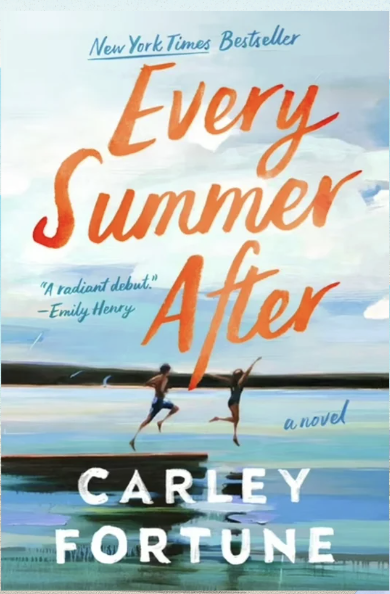
Carley Fortune’s Every Summer After was one of my favorite romance reads of the year, so I was both excited and nervous when Prime Video announced Every Year After.
After reading the book and watching the adaptation, I don’t think the show is better than the novel. However, I do think it succeeds in bringing the world of Barry’s Bay to life and expands several storylines in ways that work surprisingly well for television.
While the book remains my favorite version of the story, the show is absolutely worth watching for fans of Percy and Sam.
Why the Book Works Better
What made Every Summer After so compelling was its focus.
At its heart, the novel is Percy and Sam’s story.
Through alternating timelines, readers watch their relationship evolve from childhood friendship to first love while slowly uncovering the mistake that destroyed everything between them. As the present-day storyline unfolds, Carley Fortune gradually reveals what happened between Percy, Sam, and Charlie all those years ago. The mystery keeps the pages turning while making the eventual payoff feel incredibly emotional.
The biggest advantage the book has over the show is Percy’s voice.
Because the novel is written from Percy’s perspective, readers get access to her thoughts, insecurities, and sense of humor. Percy has so much personality on the page. She’s impulsive, funny, and occasionally has a bit of a “screw it, let’s see what happens” attitude that made me laugh out loud several times while reading.
I also found the relationships between Percy, Sam, and Charlie more entertaining in the book. Their teasing, inside jokes, and sibling dynamics felt natural and often hilarious. Some of my favorite moments weren’t the big romantic scenes at all—they were simply the three of them spending time together and messing with each other.
The romance itself also felt more intimate on the page. The book’s emotional and physical relationship between Percy and Sam develops gradually over years of friendship, making many of the romantic moments feel more impactful. While the show includes the major relationship milestones, I found the novel’s romantic and spicy scenes carried more emotional weight.
For me, Every Summer After delivered the stronger love story.
What the Show Does Better
While I preferred the book overall, there were several things the show improved or expanded upon.
Most notably, Every Year After brings Barry’s Bay to life.
Reading about the lake community is one thing. Seeing the water, the docks, the cabins, and the breathtaking lake views on screen is another. The setting becomes a character in its own right, helping viewers understand why Percy never truly moved on from her summers there.
The show also does a great job visualizing the complicated relationship between Percy and Sam. Watching their history unfold on screen adds another layer to the story, especially as the series moves between past and present timelines.
Another strength of the adaptation is its expanded supporting cast.
Characters like Chantal, Delilah, Jordie, and Sue all receive significantly larger roles than they had in the novel. While these additions sometimes pull attention away from Percy and Sam’s romance, they also make Barry’s Bay feel like a living community rather than simply the backdrop for a love story.
I especially enjoyed seeing more of Sue’s relationship with Percy. The additional flashbacks helped reinforce why Sue’s death impacted Percy so deeply and added emotional weight to the story.
The Verdict
If I had to choose only one version of the story, I would pick Every Summer After.
The novel tells a tighter, more focused romance and does a better job developing Percy and Sam’s journey from childhood friends to lovers. Percy’s narration, the humor between the characters, and the emotional intimacy of the story made me feel more connected to the book than the show.
That said, Every Year After deserves credit for successfully adapting the heart of the novel while expanding the world around it. The gorgeous setting, strong performances, and deeper exploration of supporting characters make it more than just a scene-for-scene retelling.
Winner: Every Summer After
But if you loved the book, Every Year After is absolutely worth the watch—and seeing Barry’s Bay brought to life on screen makes the adaptation feel like coming home.